vs RUBS
Per gallon
Residents pay only for what they actually use.
A submeter records every gallon a unit uses, and people use less once they are paying their own bill. RUBS divides the master bill by a formula. Submetering bills the real number.
NES installs the meters, reads them, pays the master-meter bill, and bills your residents for water, gas, and electric. A bilingual team has handled all of it in house since 1968. Most properties cut water use 15 to 30 percent, and payback lands in 12 to 18 months.
Utility submetering means putting an individual meter on each apartment unit to measure exactly how much water, gas, or electricity that resident uses, then billing them for it directly. NES installs the meters, reads them, pays the master-meter utility bills, and bills residents in house, with bilingual customer service. Most properties see water use fall by 15 to 30 percent, with payback in 12 to 18 months.
A submeter records every gallon a unit uses, and people use less once they are paying their own bill. RUBS divides the master bill by a formula. Submetering bills the real number.
When residents pay for what they use, the dripping faucet finally gets fixed and the long shower gets shorter. Properties in warm climates with a lot of irrigation tend to see the biggest savings.
A running toilet can waste close to $1,800 of water a year. The NES dashboard catches it the same day, so the property manager hears about it before the resident does.
Submetering puts a meter and a small transmitter on each unit. The transmitter sends each reading to a central computer, usually in the leasing office. NES pulls the usage, creates each resident's bill, and handles the billing, the accounts receivable, and the customer support in house. The approach has been around since the early 1920s. Water is the most common utility to meter, though plenty of properties meter all of them.
Most owners start with water, the biggest recoverable spend with the fastest payback, then layer in electric and gas. Where physical metering isn’t viable, RUBS bridges the gap.
The most common NES install. Cold-water meters at each unit, optional hot-water capture, wireless reads delivered to a property gateway. Residents see usage and pay only for what they consume.
Solid-state revenue-grade kWh meters at each unit panel or feeder. Compatible with check meter and master-meter recovery models. NES handles licensed electrician sourcing.
Diaphragm and rotary meters from class-1 manufacturers, BTU-corrected for elevation and pressure. NES coordinates with the local distribution company where pass-through agreements apply.
When physical submetering isn't viable (pre-1990 construction, plumbing constraints, prohibitive retrofit cost) RUBS allocates the master-meter cost to units by formula: occupancy, square footage, fixture count, or a weighted blend.
Most owners move off a flat master-meter setup to either RUBS or submetering. Here is how the three compare.
Swipe the table to compare all three. Submetering is the last column.
| What changes | Master meter | RUBS | SubmeteringRecommended |
|---|---|---|---|
| How residents pay | Nothing separate. Water is folded into the rent. | A share of the master bill, set by a formula such as occupancy or square footage. | For the exact water each unit uses, read from its own meter. |
| Accuracy | None. Everyone pays the same, no matter how much they use. | Estimated. Close, but based on a formula rather than real use. | Exact. Billed to the gallon. |
| Effect on usage | No change. There is no reason to conserve. | Modest. Residents see a charge but not their own usage. | Large. Usage usually falls 15 to 30%. |
| Upfront cost | None. | Low. No meters to install, and live in about 30 days. | Meters and installation, which NES can finance. |
| What the owner recovers | Nothing. The owner absorbs the whole bill. | Most of the bill, typically 70 to 85%. | Nearly the whole bill, typically 85 to 95%, moves to the residents who use it. |
| Best when | Rarely the most profitable choice. | The plumbing makes individual meters impractical. | You want the fairest billing and the biggest savings. |
NES installs and operates both submetering and RUBS, so the recommendation comes from what fits your property, not from what we sell. See how RUBS billing works.
NES installs standards-grade meters with our own W-2 technicians, not a list of subcontractors. The equipment is nonproprietary and owned by you, and optional extended warranty coverage is available.
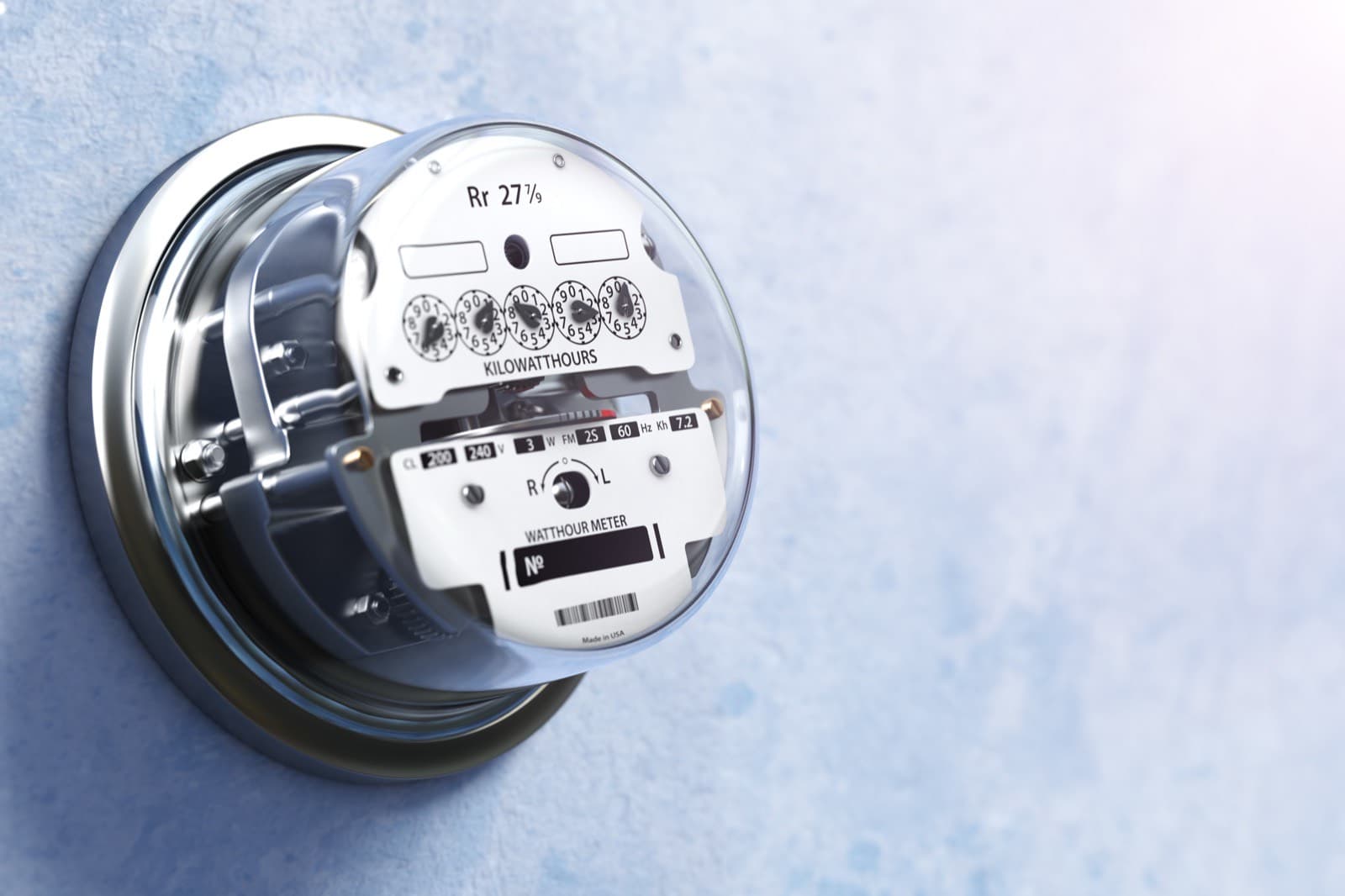
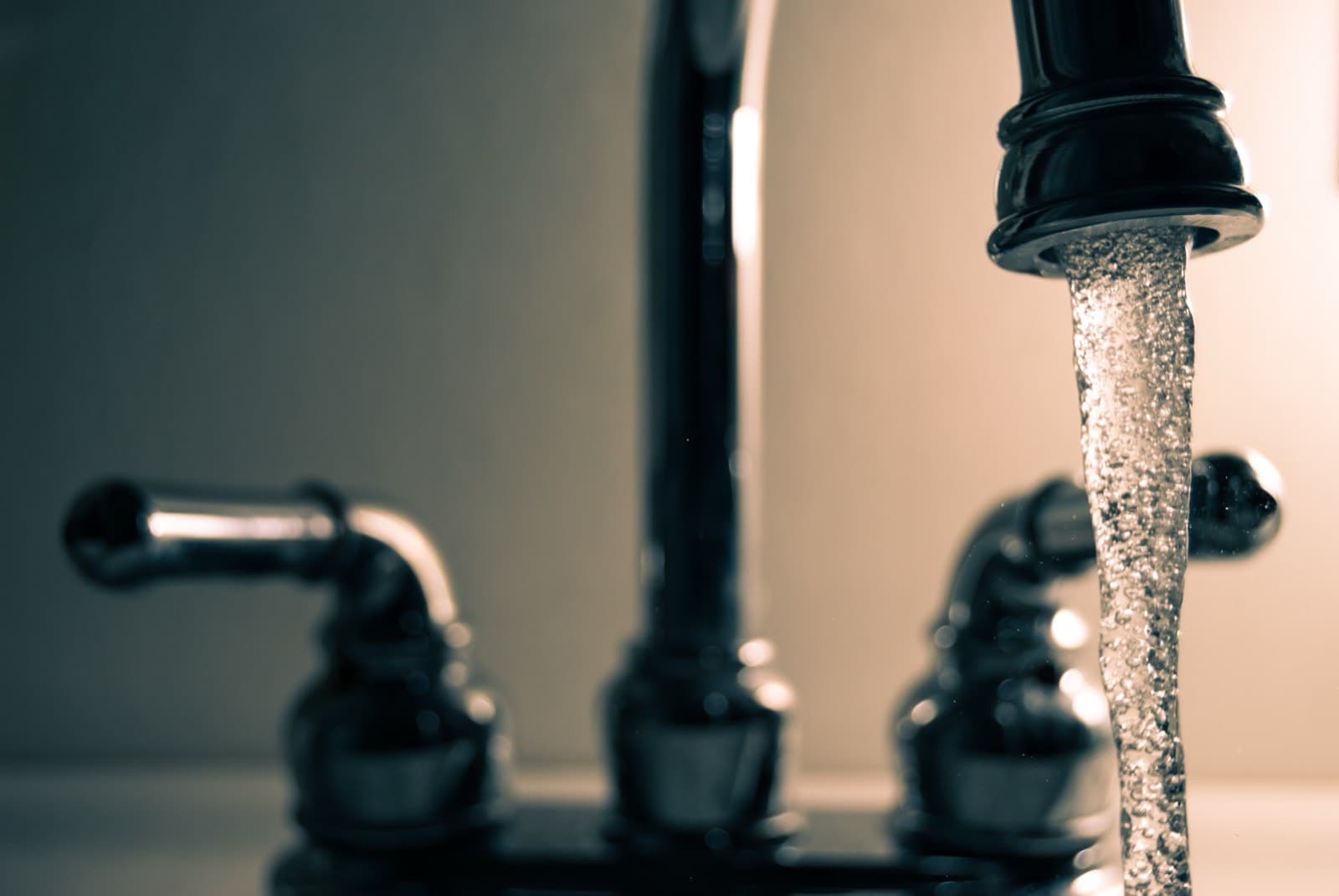
The difference shows up around month four, when something breaks. Here is where it usually breaks, and where NES does not.
Tell us the unit count and your current setup. An NES specialist will run the numbers and respond within one business day.
The four-step path every recovered dollar takes. NES owns every step. The figures below are real results from an NES client, a 130-home community in Texas.
What the owner pays each year
Real client results, not an example. Same property, same utility bill. The owner’s cost dropped from $120,000 to $6,600 a year.
We measured one property partway through its rollout, and it shows both ways submetering pays off. First, water use falls. Then, once residents are billed for what they use, the owner's water cost nearly disappears.
Both groups lived in the same buildings and paid the same rates during the same season. The only difference was the meter. Once residents could see they were paying for their own water, they used about a third less of it.
Once the meters are in, each resident is billed for the water they actually used, usually around $54 a month, and they pay it directly. The property stops covering that cost. About all the owner has left to pay for is the water used in shared areas, which comes to very little.
The property paid $26,400 a year in water and sewer, about $15.70 per unit every month. After NES installed submeters and shifted billing to residents, the owner's share dropped to $264 a year, around 16 cents per unit.
Leak detection alone saved 30% in year one by catching running fixtures and broken lines. After full resident billing went live, the owner's cost fell from about $77 per unit every month to $4.23.
“Great Company..... including receiving a personal call from the Owner. This shows us that your company cares about its customers.”
A member of, and recognized by



Submetering, RUBS, billing, and compliance, set up for each property type and run by the same NES team.
Garden, mid-rise, hi-rise. From 100-unit properties to the largest portfolios.
Pad-level water, electric, and gas billing.
Owner-occupied compliance, 7-yr archives.
Roommate-split billing, semester cycles.
Meters specced, purchased & installed during the build.
Phased rollouts, dedicated relationship team.
The audit and the savings model are free. NES can finance the meters, so there is no capital outlay to get started. The day metering and billing go live, the recovered cost flows back to the property and net cash flow goes up.
A free walk-through, a master-meter analysis, and an executive PDF within five business days, whether or not you decide to move forward.
NES finances the meters and the labor. There is no upfront cost, and net cash flow rises as soon as metering and billing are operational.
Billing, AR, compliance, and resident support, priced by property or portfolio size rather than as a percentage of recovery. Predictable and flat.
Most submetering vendors stop at the install. NES runs the whole back office, including invoicing, accounts receivable, vacant-unit capture, leak detection, and compliance.
Monthly invoices, AR reconciliation, dispute handling, and late-fee management, branded to your portfolio.
Vacant-unit capture and resident AR collection, handled in-house by a dedicated NES team.
Hourly reads flag a unit-level leak the same day, before it turns into a four-figure water bill.
When metering is not practical, RUBS allocates the master-meter bill by formula and can be live in 30 days.
An in-house compliance team tracks all 43+ state jurisdictions and keeps you audit-ready every month.
Send 12 months of master-meter bills. A specialist confirms scope with you within one business day, then models the recovery and payback on your real numbers. Your written assessment arrives within five business days.
NES W-2 technicians install the meters with under 30 minutes of downtime per occupied unit. The equipment is nonproprietary, and extended warranties are available.
Hourly reads feed in-house billing. A bilingual customer service team handles every resident question and dispute.
Net recovery posts to your PMS the same cycle. You track consumption, accounts receivable, and recovery in the owner dashboard.